
The Leaky Bucket Product Framework
Stop Filling the Whole Bucket. Master One Side First.

Product teams spend the majority of their time on reactive maintenance—patching bugs, closing feature gaps, and firefighting churn. The exhaustion is real, but the root cause isn’t the work itself. It’s that you’re building on a fundamentally flawed foundation: the Leaky Bucket.
The Leaky Bucket
You fill your bucket with customers using a giant funnel that collects anyone from all over the world. You and the marketing team make a big effort to guide as many as possible to the funnel. Once in the funnel, the objective is to ensure that they remain contained and proceed smoothly into the bucket. In the bucket, many users churn during onboarding and never reach activation. This occurs because the bucket attempts to cater to a broad audience, ultimately failing to connect with any specific group.
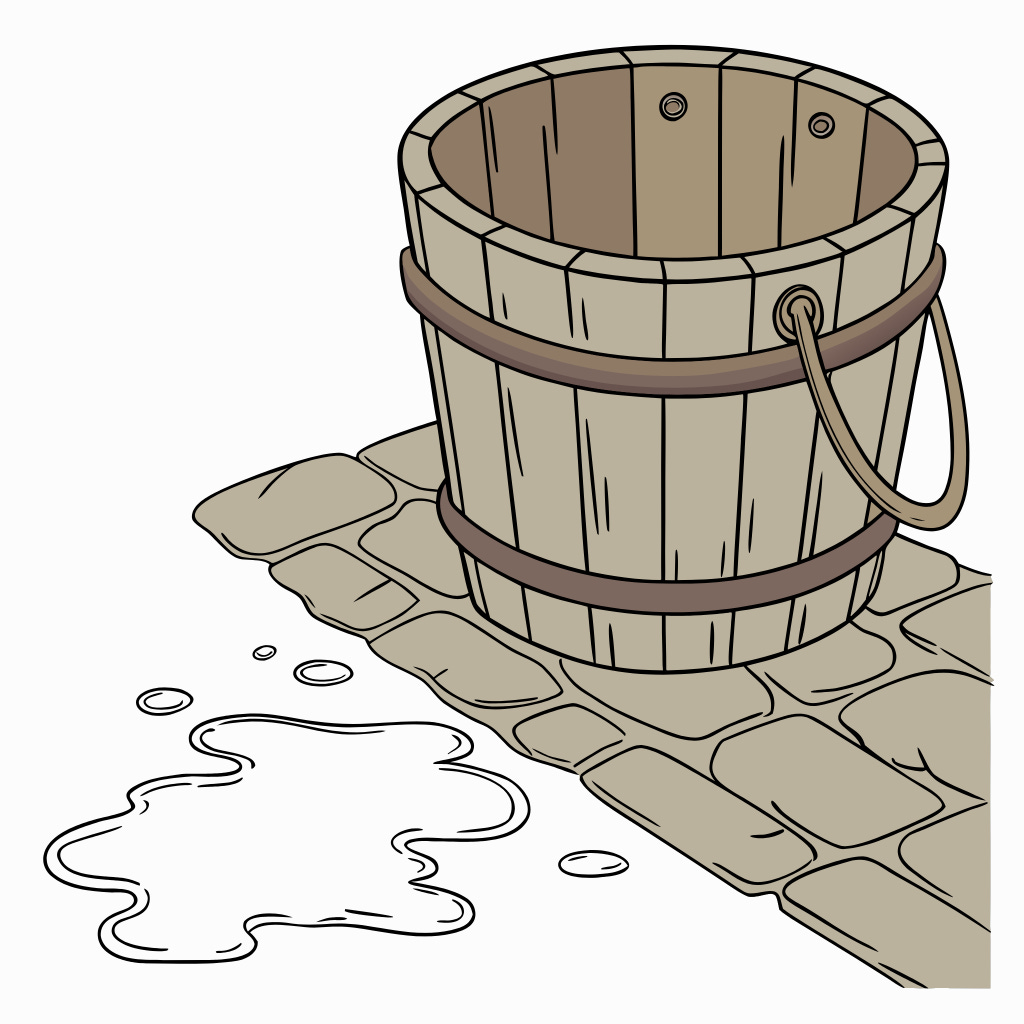
But then you notice another problem. The bucket is leaking. Bugs and feature gaps have created holes in the bucket that result in losing customers and revenue. Your daily work involves patching holes in the leaky bucket. You and your team cannot do it quickly enough, resulting in an increasing churn rate. The cycle accelerates.
When patches won’t work: the technical debt spiral
Some of the holes are getting bigger due to corrosion. This is due to technical debt. You can apply patches on top of these, but the holes are too big for patching. As customer volume increases, the internal pressure rises exponentially. A hole that leaked 2% MRR at 100 customers now bleeds 8% at 400.
The strategy of patching the holes does not work. What is the alternative?
Redesigning the bucket, not the patches
The bucket is circular by design. Each side of the bucket represents a part of your market: segmented by an industry, customer size, use case, or something else. The problem? You’re trying to hold water in all directions simultaneously.
Each market has unique needs, and the circular bucket aims to provide a universal solution. You are literally draining your resources and creating shallow solutions by trying to fit too many market segments.
To stabilise your product strategy, you need to limit the markets you reach. Consider setting aside some aspects of the bucket and selecting those that align perfectly. When you reduce from, say, six market segments to two, each feature becomes reinforcement, not compromise. You’re no longer patching—you’re fortifying.
The Strategic Choice: Depth Over Breadth
The insight isn’t revolutionary, but the discipline is rare: reducing the addressable market increases product strength. The question isn’t whether your team can identify the right segments to serve, as jumping to new markets is fun and tempting. The question is whether you have the conviction to abandon the others.
In upcoming posts, i will write about:
How to choose which sides of the bucket to focus on.
How to prioritise which patches to apply first?
When should you consider expanding into new areas?
About the Author
👋 I’m Arttu Huhtiniemi, fractional CPO at R2 Growth. I help Finnish and European growth companies:
- Develop winning product strategies
- Build and lead high-performing product teams
- Scale through product-led growth
- Navigate market expansion
Need fractional or interim CPO services? Visit r2growth.com or connect with me on LinkedIn.